


A Dental Lawyer's Guide to Your Dental Office Build-Out


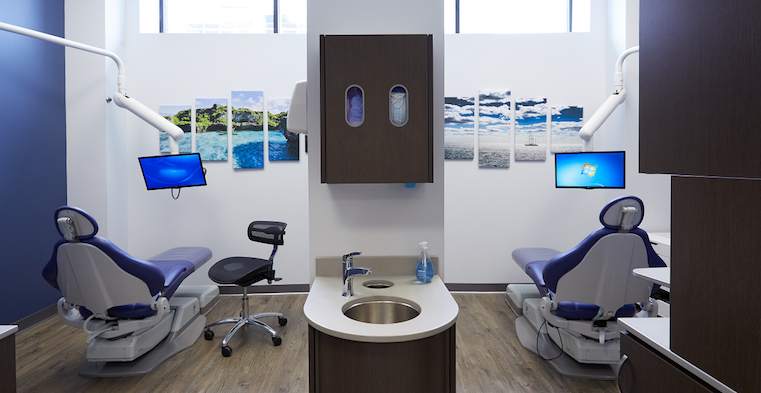
Before anything else, you face a single fork in the road: build out a new space, or take over an existing dental office? A planned dental office build-out is a major undertaking, and our Checklist for Building a Dental Practice from Scratch is a helpful place to start organizing the process.
Building from scratch gives you total control over design, workflow, technology, and branding from day one. You are not inheriting someone else's layout, aging plumbing, or equipment decisions.
The tradeoff is time and cost. A ground-up dental build typically takes 9 to 18 months. A leasehold improvement of existing commercial space, the most common route, takes 6 to 9 months from planning to opening. Either way, the legal considerations are substantial.
How Much Does a Dental Office Build-Out Cost?
This is the question most dentists start with, and the numbers vary significantly by market and scope.
In California, here is what to expect:
- Leasehold improvement (tenant build-out): $150 to $350 per square foot.
- Ground-up construction: significantly higher, often $400 or more per square foot.
- Total all-in budget for a typical startup: $300,000 to $600,000 or more.
These figures include construction, dental equipment, technology infrastructure, millwork, plumbing, electrical, medical gas lines, and permitting. Equipment alone typically runs $100,000 to $200,000 for a standard build.
Always build in a 10 to 15 percent contingency. Construction budgets rarely end up exactly where they started, so plan for the unexpected from the beginning.
Step 1: Define Your Vision and Budget
Before you engage an architect or contractor, settle a few questions in your own mind.
- How many operatories do you need at opening, and how many will you want to add later?
- What type of dentistry will you practice, and what does that require in plumbing, electrical, and specialized infrastructure?
- What is your all-in budget, including contingency?
Having a clear budget before you begin is the single best defense against scope creep. It also protects you from overcommitting before you fully understand what the build truly requires.
Step 2: Select Your Location and Negotiate Your Lease
Your lease is the legal foundation of your build-out. Before you sign anything, a dental attorney needs to review and negotiate the terms. Our "What to Consider When Building a Dental Practice" guide expands on how to choose the right space.
Permitted Use Clause
The lease must explicitly permit operation of a dental practice. Vague permitted use language creates problems later, sometimes years later, when you try to expand services or sell.
Tenant Improvement (TI) Allowance
Most landlords offer a TI allowance to offset build-out costs, and this is one of the most important negotiating points in any dental lease. Leaving money on the table here is extremely common and entirely avoidable with the right legal representation.
Personal Guarantee
Landlords require personal guarantees on new practice leases. Your attorney can negotiate the scope and duration to limit your personal exposure, so a single slow year does not threaten your personal assets.
Restoration Obligations
Standard lease language often requires you to restore the space to its original condition at the end of the lease. For a dental office, that can mean removing plumbing, cabinetry, and specialized infrastructure at your own expense. This clause must be negotiated before you sign, not discovered when you are trying to leave.
Build-Out Approval
Your lease must give you the right to make the structural modifications a dental practice requires. This is not always standard in a commercial lease, and assuming it is can stall your project before it starts.
Step 3: Assemble Your Build-Out Team
A successful dental office build-out depends on specialized professionals working in coordination. The right team makes the process feel manageable; the wrong one turns it into a series of avoidable fires.
- A dental-specific architect, because a general commercial architect will not understand clinical requirements.
- A general contractor with dental experience, since dental offices require specialized plumbing, electrical, medical gas, and millwork.
- An equipment specialist, coordinated early so your infrastructure is planned around your specific equipment. Our Questions to Ask Your Equipment Specialist guide is worth reviewing before these conversations.
- A dental attorney, because every contract your team asks you to sign should be reviewed before you execute it.
This team needs to function as a unit. The gaps in coordination between your contractor, architect, and equipment vendor are exactly where most build-out problems originate, and those gaps are easier to prevent than to repair.

Step 4: Review and Negotiate Your Construction Contracts
Standard contractor agreements are written to protect the contractor, not the owner. That is not a knock on contractors; it is simply how the documents are drafted. Before signing any construction contract, your dental attorney should review it for:
- Scope of work definition and change order procedures.
- Timeline and completion milestones, with penalties for delay.
- A payment schedule tied to milestones rather than calendar dates.
- Lien waiver requirements to protect against mechanic's liens.
- Warranty provisions on labor and materials.
- Dispute resolution and termination clauses.
Construction disputes are among the most common and most expensive legal issues in dental startups. A well-drafted contract is far cheaper than litigation, and it keeps a disagreement from turning into a project-ending standoff.
Step 5: Design for Clinical Efficiency and Patient Experience
Good dental office design balances clinical workflow, patient comfort, and regulatory compliance. The best designs make the work feel easier without the patient ever noticing why. For more on this, our "What to Consider When Building a Dental Practice" guide covers the design trade-offs in depth.
Operatory Layout
Design for the type of dentistry you practice. General practice, orthodontics, and oral surgery have very different space and equipment requirements. Plan for future expansion now, because retrofitting infrastructure later is expensive and disruptive.
Patient Flow
The journey from reception to treatment room to checkout should feel seamless. Minimize cross-traffic between clinical and patient areas, since smooth flow shapes both efficiency and the impression patients carry home.
Sterilization Center
Your sterilization center must meet OSHA standards and be efficiently positioned relative to your operatories. This is both a regulatory requirement and a daily workflow driver, so its placement deserves real attention rather than whatever space is left over.
Technology Infrastructure
Plan for digital imaging, practice management software, networking, and phone systems from day one. Running cable after walls are closed is costly and disruptive, and it is the kind of oversight that haunts a practice for years.
Step 6: Obtain Permits and Ensure Regulatory Compliance
Dental offices require multiple permits and approvals before you can open, and the process moves on its own schedule rather than yours. In California, this typically includes:
- Building permits from your city or county.
- Health department approvals.
- Fire department sign-off.
- Specific dental facility inspections, depending on jurisdiction.
Your build-out must also comply with ADA accessibility requirements, California OSHA standards, and infection control standards for dental facilities. The permitting process can add months to your timeline if it is not started early, which is why we push clients to begin as soon as plans are ready.
Start permitting applications the moment your architect's plans are finalized, not after construction begins. The single most common cause of timeline overruns we see is permitting that started too late.
Step 7: Equipment Installation and Final Punch List
Equipment installation typically begins about one month before your target opening date. This phase demands close coordination between your contractor, equipment vendor, and technology provider, and small scheduling slips here ripple straight into your opening date. Our Questions to Ask Your Equipment Specialist guide can sharpen those conversations.
Before you accept final delivery of the space, conduct a thorough punch list inspection with your contractor. Document every incomplete or deficient item in writing, and make sure all of them are corrected before you release final payment. Once that payment is gone, your leverage to require fixes disappears with it, and that leverage is worth protecting.
Equipment purchase agreements and vendor contracts should also be reviewed by a dental attorney, particularly where long-term service contracts, financing arrangements, or automatic renewal clauses are involved. Those clauses tend to be quiet until they are not.
How a Dental Attorney Protects You Throughout the Build-Out
From lease negotiation to contractor agreements to permit compliance, our dental lawyers stay involved at every critical juncture. We have helped hundreds of dentists avoid the most common build-out mistakes and get their practices open on time and on budget. If you are planning a dental office build-out, schedule a complimentary consultation so we can review the contracts before you sign.
Frequently Asked Questions
Q: How much does a dental office build-out cost in California?
A: Leasehold improvements typically run $150 to $350 per square foot. Total all-in costs for a dental startup in California, including equipment, technology, and working capital, commonly range from $300,000 to $600,000 or more.
Q: How long does a dental office build-out take?
A: A leasehold improvement typically takes 6 to 9 months from planning to opening. Ground-up construction takes 9 to 18 months. Permitting delays are the most common cause of timeline overruns.
Q: What is a tenant improvement allowance?
:A: A TI allowance is money provided by a landlord to offset your build-out costs. It is one of the most important negotiating points in a dental practice lease, and a dental attorney can help you maximize this benefit.
Q: What permits do I need for a dental office in California?
A: You will typically need building permits, health department approvals, fire department sign-off, and potentially dental facility inspections. Requirements vary by city and county, and your dental attorney can help identify and obtain the right permits for your location.
Q: Do I need a dental attorney for my build-out?
A: Yes, particularly for lease negotiation and construction contracts. Both are written to protect the other party. Having a dental lawyer review these before you sign is far less expensive than fixing problems after the fact.
About the Author
At Dental & Medical Counsel, PC, we understand navigating the legal process can be tricky. We believe every dentist, optometrist, and doctor deserves the best advice and service, so they can focus on what they do best: treating their patients. We make their lives easier by providing expert guidance, so they can focus on their personal and professional aspirations. We are healthcare attorneys.
.jpeg)
About Ali Oromchian, Esq.
Your Dental, Optometry, Healthcare Lawyer
Ali Oromchian, JD, LL.M., is the founding attorney of the Dental & Medical Counsel, PC law firm, and is renowned for his expertise in legal matters
In addition to being a healthcare lawyer for almost 20 years, Ali is also a renowned speaker throughout North America, on topics such as practice transitions, employment law, negotiation strategies, estate planning, and more! Ali has helped thousands of doctors realize their professional goals and looks forward to aiding you in navigating the legal landscape.
